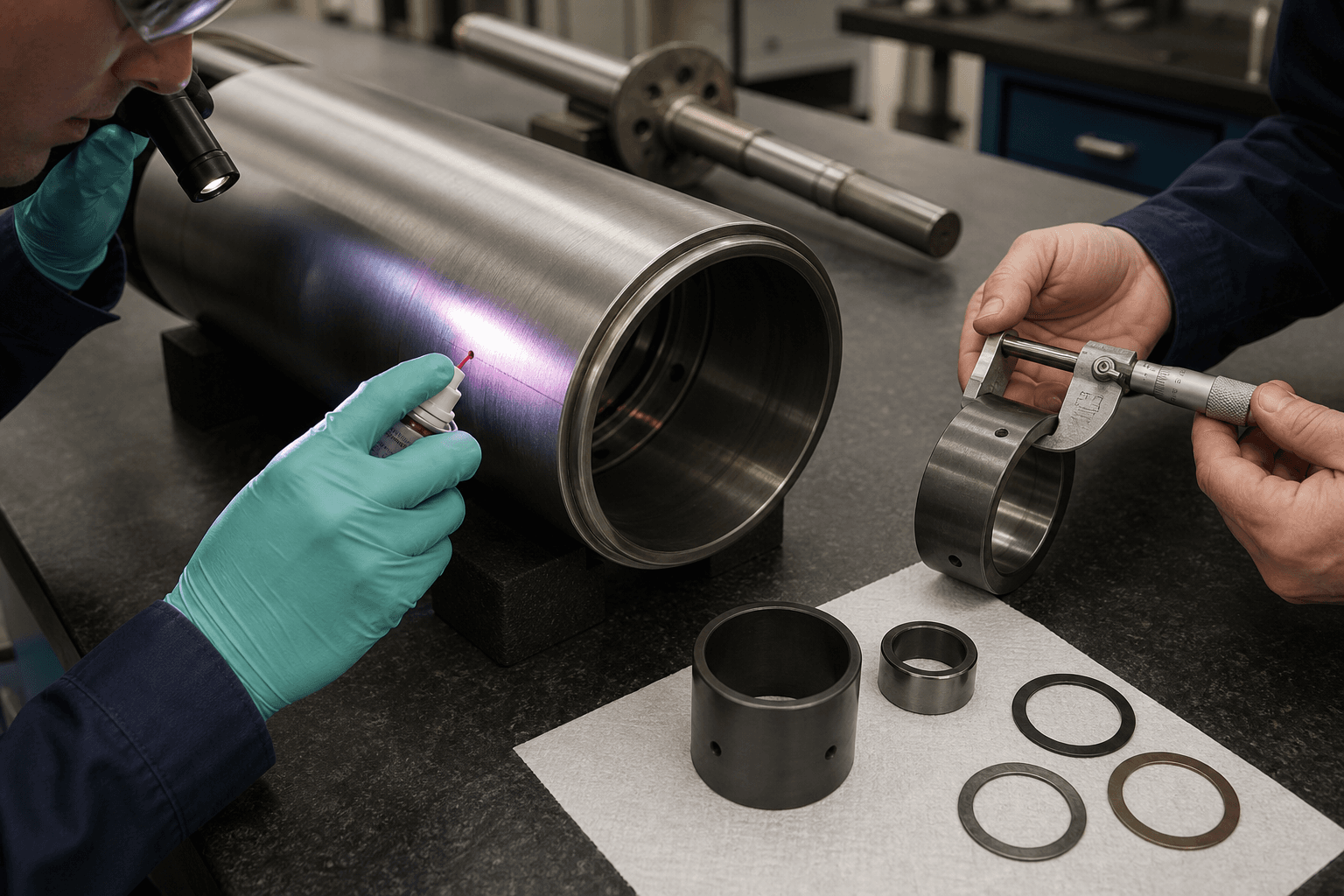
BCP Bearing Failure: Diagnosis and Prevention
Direct Answer
BCP bearing failure is commonly driven by contamination, inadequate cooling or lubrication flow, poor water chemistry, excessive thrust, misalignment, rotor imbalance, wrong clearance, or damage elsewhere in the rotating assembly. Prevention requires finding the cause of wear rather than simply installing a new bearing.
Symptoms and Likely Causes
- Increasing vibration, especially with load or temperature.
- Rising bearing or motor temperature.
- Increased axial movement or unstable rotor position.
- Scored, polished, cracked, chipped, or unevenly worn bearing surfaces.
- Metallic or carbon debris in strainers and cooling passages.
- Rotor-to-liner rub marks or changing motor current.
Inspection and Diagnostic Process
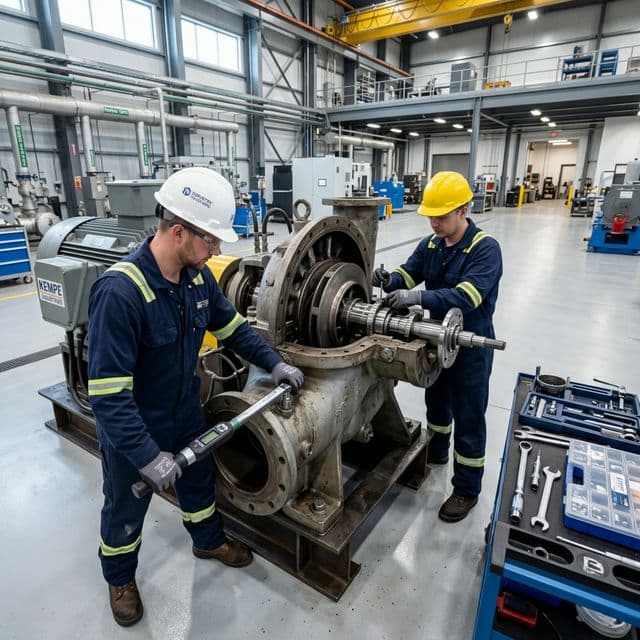
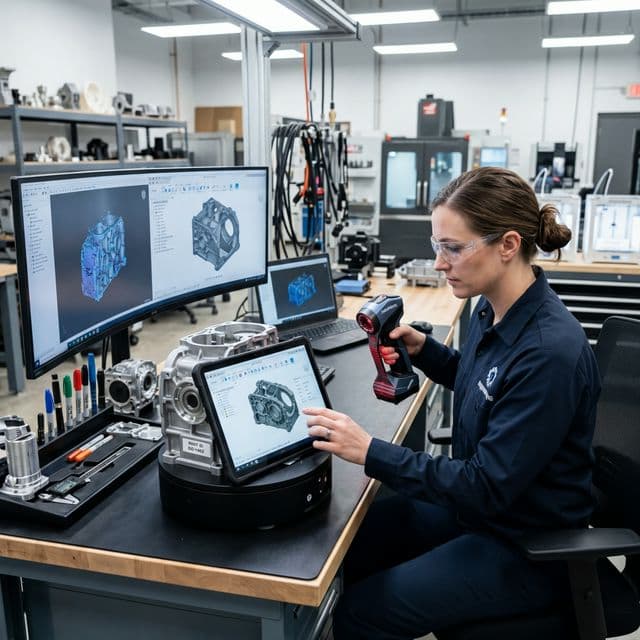
Review vibration, temperature, current, flow, differential pressure, starts, trips, and water-chemistry history. During dismantling, measure sleeve-bearing clearance, thrust float, shaft journal size, roundness, runout, and surface finish using calibrated instruments. Map wear around the bearing rather than recording only one diameter. Inspect cooling passages, filters, deposits, impeller condition, rotor balance, and liner clearance.
For example, uniform increased clearance may indicate normal wear or abrasive contamination, while localized wear can suggest misalignment, shaft runout, distortion, or hydraulic loading. The applicable OEM tolerances and material combination must govern acceptance.
Repair and Prevention Options
- Replace damaged bearings with verified material and dimensions.
- Restore or replace scored journals and thrust surfaces.
- Clean cooling circuits and correct flow restrictions.
- Control water chemistry and contamination sources.
- Correct rotor balance, runout, alignment, and hydraulic operating conditions.
- Establish repeatable vibration, temperature, and current baselines after commissioning.
For root-cause inspection and overhaul, see our boiler circulation pump repair services in India.
FAQ
Can a worn BCP bearing be reused if vibration is acceptable?
Only if measured condition meets the approved criteria. Acceptable overall vibration does not override excessive clearance, cracking, material loss, or poor surface condition.
Why do replacement bearings sometimes fail quickly?
Repeat failures usually indicate an unresolved cause such as contamination, blocked cooling flow, incorrect clearance, shaft damage, misalignment, or abnormal hydraulic thrust.
Published by DEI VOX Rotating Equipment Engineering Team
BCP bearing inspection, dimensional metrology, rotor assessment, and failure analysis
Published: June 12, 2026 | Updated: June 12, 2026