Boiler Circulation Pump Vibration: Causes and Solutions
Direct Answer
Boiler circulation pump vibration is usually caused by bearing clearance, rotor imbalance, misalignment, hydraulic instability, cavitation, looseness, or motor electrical faults. The correct solution depends on vibration frequency, direction, operating condition, and trend. Do not replace bearings based on one overall vibration reading; collect a repeatable baseline and diagnose the vibration signature first.
Symptoms and Likely Causes
- Rising 1x running-speed vibration: imbalance, eccentricity, bent shaft, or deposit buildup.
- High axial vibration: thrust-bearing wear, coupling misalignment, or hydraulic thrust changes.
- Broadband vibration and noise: cavitation, flashing, rubbing, or severe bearing distress.
- 2x running-speed component: misalignment, looseness, or distorted mounting.
- Vibration that changes with load: hydraulic recirculation, unstable suction conditions, or flow outside the preferred operating region.
Inspection and Diagnostic Process
Record vibration at the same locations and operating load using horizontal, vertical, and axial measurements. Capture overall velocity, acceleration, waveform, and FFT spectrum where possible. Compare pump differential pressure, flow, motor current, bearing temperature, and suction conditions with the vibration trend. Confirm instrument calibration and mounting before interpreting small changes.
As a practical example, a steady increase at 1x speed accompanied by stable process pressure often points toward rotor balance or alignment. Random high-frequency energy with crackling noise and unstable suction pressure is more consistent with cavitation. Acceptance limits must come from the OEM, plant standard, and machine configuration rather than a single universal number.
Repair Options
- Correct suction restrictions and return the pump to its intended operating range.
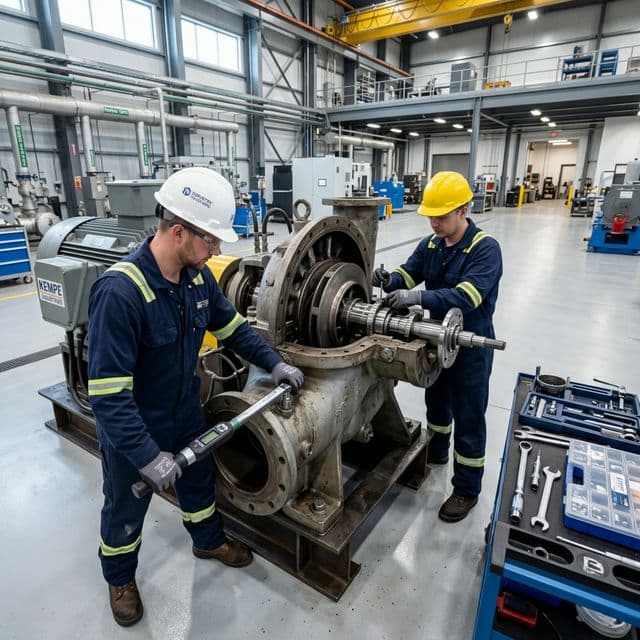
- Measure sleeve and thrust-bearing clearances and replace worn components.
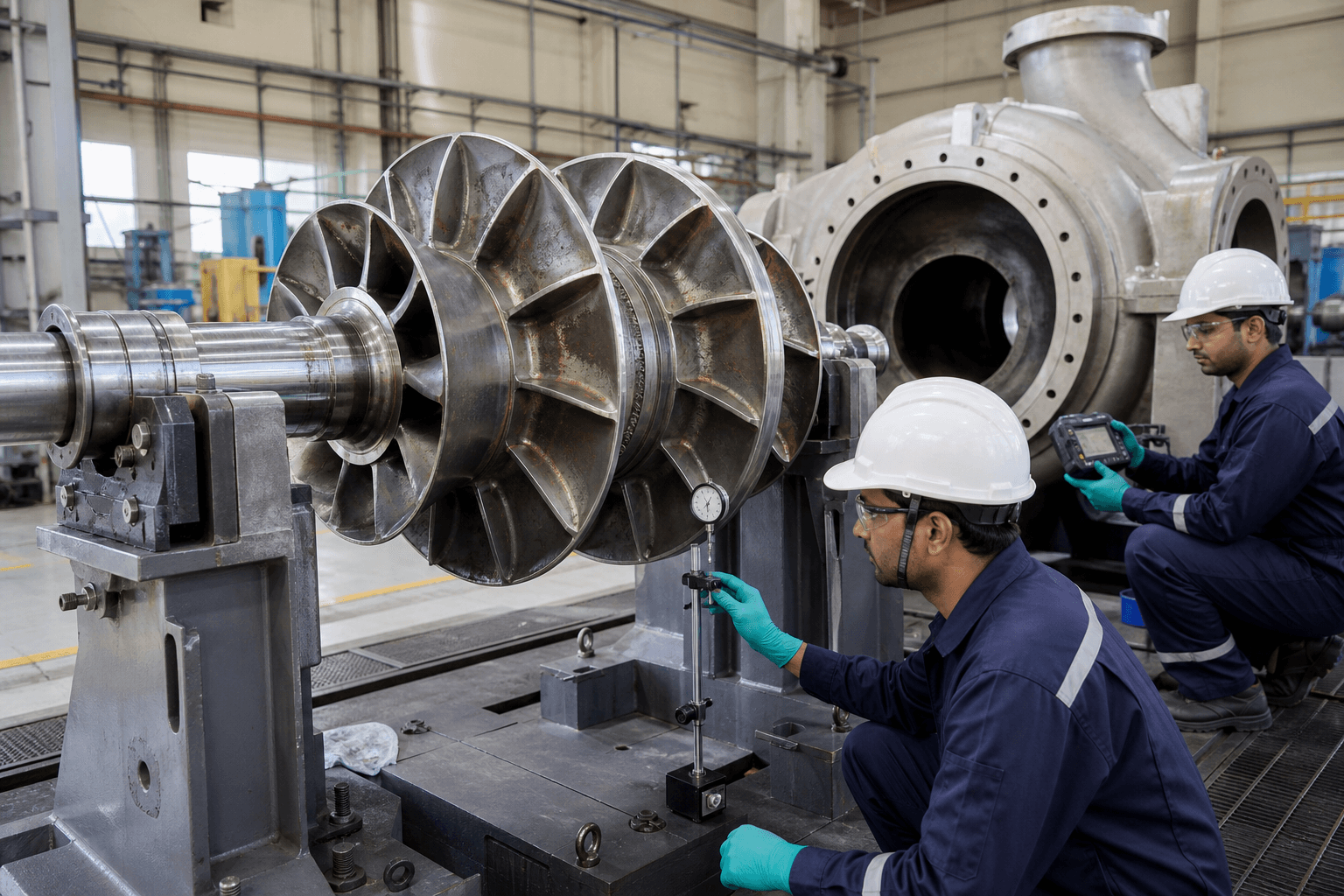
- Inspect the rotor, impeller, and deposits before precision balancing.
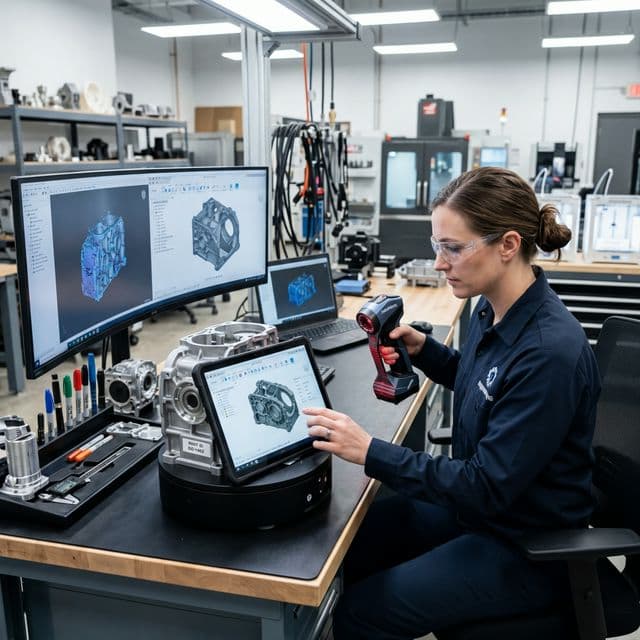
- Verify shaft straightness, concentricity, alignment, and casing fit.
- Repair looseness, rubbing, damaged wear surfaces, or distorted supports.
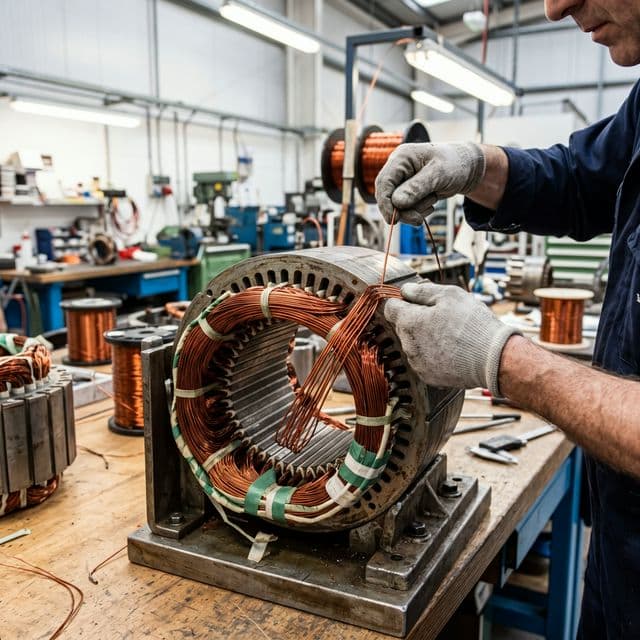
- Perform electrical tests when vibration is accompanied by current imbalance or winding-temperature changes.
For inspection, overhauling, and corrective repair, see our boiler circulation pump repair services in India.
FAQ
Can vibration alone identify a failed BCP bearing?
No. Vibration is an important indicator, but bearing diagnosis should also consider temperature, clearance measurements, lubricant or process-water condition, noise, and inspection findings.
Should a vibrating pump be stopped immediately?
Follow the plant trip limits and OEM guidance. A sudden step change, rubbing indication, rapid temperature rise, or unstable process condition requires immediate engineering assessment.
Published by DEI VOX Rotating Equipment Engineering Team
BCP diagnostics, overhaul, alignment, and rotating-equipment inspection
Published: June 12, 2026 | Updated: June 12, 2026